



Breast Reduction
Reduction Mammoplasty
Breast Reduction with Cho Plastic Surgery Quick Facts:
- Typical recovery time: 2-3 weeks
- Price range: Starting at $8k
- Dr. Cho specializes in all techniques
- Procedures performed at Spring Ridge SurgiCenter, Reading Surgery Center, and Surgical Institute of Reading
Overview
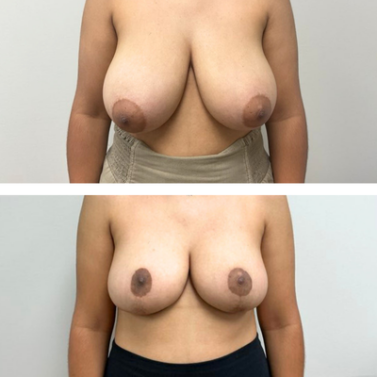
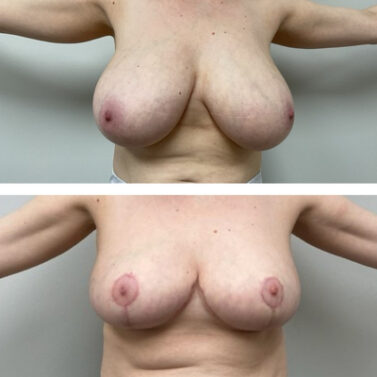
Breast reduction surgery, or reduction mammoplasty, entails the removal of skin and tissue from the breast, followed by reshaping and elevating the remaining breast tissue and the nipple/areola to create a smaller, more proportionate bust size.

Reduction Mammoplasty Techniques
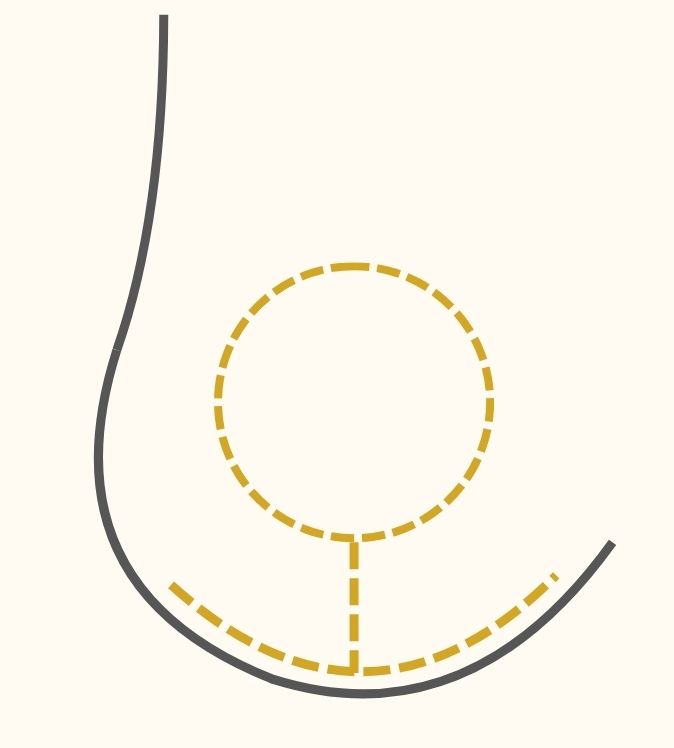
Anchor Pattern
(Inverted-T Technique)
- The most traditional and comprehensive approach, requiring an incision around the areola, vertically down the breast, and horizontally across the inframammary fold (the breast crease). This technique is ideal for significant tissue removal and dramatic restructuring.
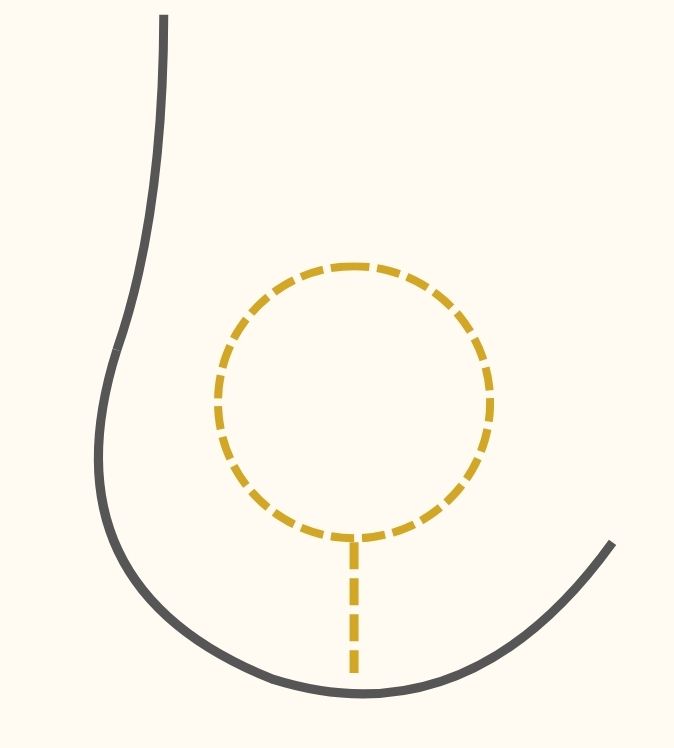
Vertical Pattern
(Lollipop Technique)
- Ideal for moderate reductions, this technique eliminates the horizontal scar in the crease. It utilizes an incision around the areola and straight down to the crease, resulting in a shape that settles beautifully with minimal visible scarring under clothing or swimwear.
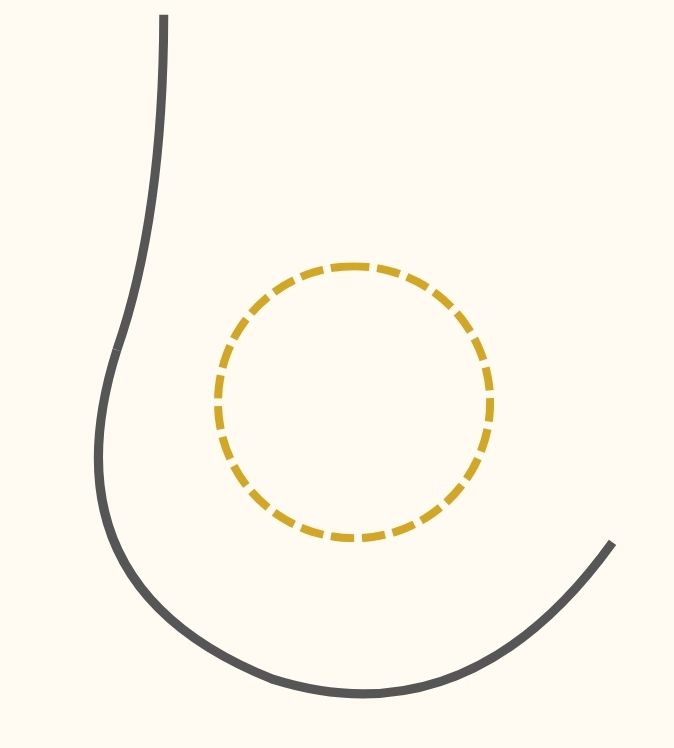
Free Nipple Graft (FNG)
- For cases involving extreme macromastia (excessively large breasts) or severe drooping, Dr. Cho may utilize a free nipple graft to protect tissue health. This involves safely detaching the nipple-areolar complex and grafting it into its new, lifted position.
Benefits
- Reduced back, shoulder, and neck pain
- Easier to exercise and shop for clothing
- Reduction of skin rashes beneath the breasts
- Improved self-confidence
All surgery involves some level of risk, and reduction mammoplasty is no exception. During your consultation, Dr. Cho will review potential risks, answer your questions and explain the steps taken to help reduce complications based on your anatomy, health history and surgical plan.
Risks
- Changes in nipple sensation
- Scarring
- Asymmetry or irregularities
- Delayed healing or skin loss
- Impact on future breastfeeding
- Seroma (fluid accumulation)
- Hematoma
- Infection
- Anesthesia
Ideal Candidate
- You are a nonsmoker, physically healthy with a stable weight, and you aren't pregnant or breastfeeding
- You have fully developed breasts
- You are bothered by the feeling that your breasts are too large
- Have difficulty participating in high-impact cardio, running, or gym exercises comfortably without severe discomfort or the need to wear multiple sports bras
- Have persistent neck, shoulder, and/or back pain caused by the weight of your breasts that isn't relieved by posture adjustments or massage
- Have difficulty shopping for clothes due to a top size that is vastly disproportionate to your waist or lower frame
- Have chronic skin irritation, chafing, rashes, or infections under the breast crease (intertrigo) that resist topical treatments
- Deep, painful permanent indentations in the soft tissue of the shoulders caused by supportive bra straps straining under heavy weight
- Chronic forward slumping or a rounding of the upper spine caused by the physical weight pulling down on the thoracic frame
- A desire for symptomatic relief and a more balanced, proportional figure, along with an understanding of the recovery process
Medical Necessity & Insurance Coverage Criteria
Because macromastia causes genuine physical suffering, breast reduction is frequently covered by medical insurance rather than being classified as a strictly cosmetic procedure. Dr. Cho's office works closely with major providers to determine coverage based on strict clinical benchmarks.
Common Insurance Requirements for Coverage:
- The Schnur Scale Standard: Most insurance plans utilize a standard mathematical formula known as the Schnur Scale to calculate the minimum weight of breast tissue (measured in grams) that must be removed relative to your total Body Surface Area (BSA)
- Documented Physical Symptoms: Evidence of chronic, unresponsive back, neck, or shoulder pain that has persisted for several months
- Conservative Therapy History: Documentation showing that non-surgical attempts to alleviate pain (such as physical therapy, professional chiropractic care, specialized supportive bras, or prescription NSAIDs) failed to provide relief
- Skin Complications: Recurrent intertrigo (painful rashes, bacterial, or fungal infections) underneath the breast fold that does not resolve with standard topical treatments
Breast Reduction Consultation
- During your reduction mammaplasty consultation at our private surgical practice in Wyomissing, PA, Dr. Cho will assess your current medical history (including medications, vitamins and herbal supplements you take), alcohol, tobacco, and drug use
- She will also ask about family history of breast cancer, previous mammograms, and if you’ve had any breast biopsies
- Examine and measure your breasts, including detailed measurements of their size and shape, skin quality and placement of your nipples and areolas, and examine your breasts for any masses or lesions
- Take photographs
- Discuss your goals and limitations of the surgery
- For insurance coverage of this procedure, a certain amount of breast tissue has to be removed
- For some patients the best option may be to remove the nipple areolar complex and replace this in the appropriate position as a skin graft (this would result in losing nipple sensation and the ability to breast feed in the future, and the nipple areolar complex may also not be as pigmented)
- Discuss risks or potential complications
Procedure Preparation
- Do not take any blood thinning medications for 1 week before surgery, including aspirin, NSAIDs, ibuprofen/Motrin, naproxen (also, avoid any herbal supplements or vitamins which can prolong bleeding)
- Do not smoke, vape, or take nicotine-containing products before or after your surgery as they can impair the healing process
What to Expect During Surgery
- Breast reduction is typically performed using general anesthesia or light sedation
- Dr. Cho will recommend the safest and most appropriate option based on your procedure plan
- Incision placement varies by patient, but is commonly made within the breast fold, also called the inframammary fold
- In some cases, an incision around the areola may be recommended
- Dr. Cho uses careful incision planning to help keep scars as small and discreet as possible
- Excess breast tissue, glandular fat, and overlying skin will be removed, the nipple-areolar complex will be repositioned to a higher, more youthful position, and the remaining breast tissue will be sculpted into a tight, lifted contour - this reshaping process takes roughly 2 to 3 hours
- Dr. Cho will close the incisions using deep, layered surgical sutures designed to support the new weight distribution and minimize external scarring
- Specialized surgical tape or a protective dressing will then be applied
Recovery
- 2-3 weeks
- You will be placed in a surgical bra provided for you to wear at all times, and will need to wear a soft supportive bra for up to 3 months
- A support bra will minimize swelling and support the breasts as they heal
- You will be given specific instructions on how to care for the surgical sites after surgery, and how to take the prescribed medications to reduce pain and risks of infection
- It is important that the surgical incisions are not subjected to excessive force, swelling, abrasion or motion during the time of healing
- To help avoid postoperative complications and facilitate healing, you will not be able to lift more than 15 lbs or do any strenuous activities, particularly if it involves pushing or pulling, for a few weeks
- You will typically be allowed to sponge bathe, but do not shower until cleared by Dr. Cho
- Take medications as directed
- Come to all postoperative visits as scheduled
FAQs
Some patients meet criteria for insurance coverage if the size of the breasts cause functional impairment and affects quality of life. Your surgeon will evaluate the weight of your excess volume and come up with an estimate of how much weight in grams can be removed while maintaining your proportions and allow for safe healing postoperatively. Dr. Cho has done hundreds of these procedures and will assess whether you would qualify for insurance coverage.
At least three months of documented rashes or irritations that have not responded to prescription strength creams or powders. And/or at least three months of physical therapy for neck, shoulder, or back pain.
Yes, you will be able to breast feed in the future. You may need to supplement with formula if you can't produce enough milk. If you require a free nipple graft type of breast reduction, then you will not be able to breast feed.
Yes, it's possible to have changes in sensation to the nipple after breast reduction surgery. You can have temporary diminished sensation, loss of sensation, and temporary hypersensitivity.
Your plastic surgeon should be able to estimate in grams how much breast tissue will be removed. Because cup size is variable between age groups, density of breast tissue, and body habitus, it's difficult to promise an exact cup size. It is important to consult with an experienced surgeon who can guide you through this process.
Yes, they can grow if there are fluctuations in your weight from post-pregnancy, genetic predispositions, and/or menopause.
Yes, a breast lift is always a part of breast reduction surgery.
The most common scar pattern is the anchor pattern. The scar is around the areola, vertically down the breast, and across the fold of the breast.
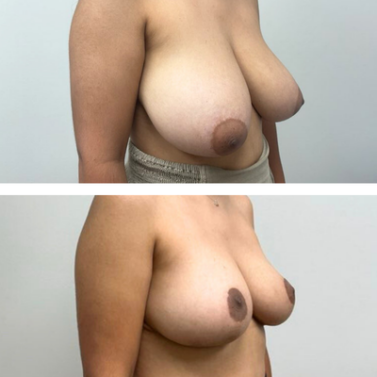
Patient Review
I recently underwent breast reduction surgery and a mini tummy tuck, and the results have been nothing short of life-changing. The breast reduction has not only alleviated the physical discomfort I experienced due to large breasts but has also enhanced my body proportion and self-confidence. Dr. Cho’s meticulous attention to detail has left me with natural-looking, aesthetically pleasing results that have exceeded... See full review
Geraldine D. / Reduction Mammoplasty Patient

Surgery is a Big Decision
We are here to answer any questions you have and help you determine the right choice for you. If you are considering surgery, please schedule a consultation with Dr. Cho today. She would be honored to discuss your goals and help you achieve the look you desire.
Financing Available
We believe your aesthetic goals should always be within reach. To make your journey more accessible, we offer payment options through Care Credit and Cherry by Alle, with financing available for same-day treatment. We will be happy to assist you in the application process at the time of your consultation. For more information, contact our office.
References
This page written/reviewed on 7/13/26 by: Dr. Cho, Board-Certified Plastic Surgeon