
Rhinoplasty
Nose Surgery
Rhinoplasty with Cho Plastic Surgery Quick Facts:
- Typical recovery time: 2 weeks (up to a year to see final results)
- Price range: $15,900 and up
- Procedures performed at Spring Ridge SurgiCenter, Reading Surgery Center, and Surgical Institute of Reading
Overview
Rhinoplasty, also known as a nose job, is a procedure that changes the appearance of a patient’s nose to reflect their individual ideal look and shape. It's a meticulous surgery that requires a total understanding of the underlying anatomy of the nose and a keen eye for facial aesthetics.
Rhinoplasty can address several aspects that patients may not like about the appearance of their nose:
- Too large/too small
- Crooked
- Noticeable hump on the top of the nose
- Wide nose
- Shape and projection of the nasal tip
- Shape of the nostrils
- Asymmetries between each side of the nose.
- Unhappy with previous results of Rhinoplasty surgery
Dr. Cho approaches rhinoplasty as a delicate balance between fine art and surgical engineering. Rather than applying a one-size-fits-all approach, every procedure is tailored to respect your natural facial anatomy and personal aesthetic preferences.
Aesthetic Refinement vs Airway Function
While many patients seek rhinoplasty to improve facial balance, nasal surgery is equally essential for correcting structural blockages that impair breathing. During your evaluation, Dr. Cho assesses both the external architecture and internal nasal structure to address your specific goals.
Cosmetic Rhinoplasty
- Focuses purely on enhancing external proportions, such as smoothing a dorsal hump, narrowing a wide bridge, reshaping a drooping or bulbous tip, or correcting asymmetry caused by past injury
Functional Concerns
- Internal structural issues, such as a deviated septum or nasal valve collapse, can affect nasal airflow. Dr. Cho evaluates breathing concerns when planning cosmetic rhinoplasty.
Combined Cosmetic & Functional Rhinoplasty
- Dr. Cho can address functional concerns alongside cosmetic changes when appropriate. She does not offer standalone, purely functional rhinoplasty through insurance.
Whether you desire subtle refinement or significant structural correction, Dr. Cho utilizes advanced surgical techniques to create a natural, proportioned result that blends seamlessly with your unique facial features.
Cosmetic Concerns Addressed by Rhinoplasty
Because the nose sits at the center of the face, even minor structural changes can dramatically improve overall facial harmony. Dr. Cho tailors every rhinoplasty to address your specific aesthetic goals, taking care to create a natural, un-operated appearance.
Common Aesthetic Adjustments
- Reducing a Dorsal Hump: Smoothing prominent bony or cartilaginous humps along the bridge of the nose to establish a sleeker, more balanced profile
- Nasal Tip Refinement: Reshaping, lifting, or slimming a nasal tip that appears bulbous, boxy, drooping (ptotic), or over-projected
- Correcting Asymmetry and Crookedness: Straightening a nose that is off-center due to natural growth patterns, prior trauma, or a severely deviated septum
- Adjusting Nasal Length and Projection: Shortening a nose that extends too far from the face or lengthening a nose that appears under-projected or overly upturned
- Refining Nostril Size and Width: Narrowing wide nostril bases or reshaping asymmetrical nostrils to better match the rest of the nasal structure
- Restoring Proportion After Prior Surgery (Revision Rhinoplasty): Correcting aesthetic flaws or structural collapse resulting from a previous nose surgery performed elsewhere
Functional Rhinoplasty: Restoring Clear, Unobstructed Breathing
A beautiful nose must function as well as it looks. Functional rhinoplasty focuses on correcting internal anatomical blockages to restore clear, effortless nasal breathing. Chronic nasal obstruction can lead to mouth breathing, sleep disturbances, snoring, chronic sinus infections, and reduced exercise tolerance.
During your cosmetic rhinoplasty consultation, Dr. Cho evaluates your nasal structure and any breathing concerns to determine whether functional corrections should be included in your surgical plan.
Key Functional Corrections
- Septoplasty (Deviated Septum Repair): The nasal septum is the wall of cartilage and bone that divides your left and right nasal passages. When deviated or crooked, it restricts airflow through one or both nostrils. A septoplasty straightens and repositions the septum to open the airway.
- Turbinate Reduction: Turbinates are small, humidifying structures along the inside walls of your nasal passages. When chronically swollen or enlarged (often due to allergies or chronic inflammation), they block airflow. Dr. Cho can reduce their size while preserving their crucial moistening function.
- Nasal Valve Repair and Cartilage Grafting: The nasal valves are the narrowest parts of the airway, located at the middle and lower portions of the nose. If these valves are naturally weak or have collapsed from previous trauma, they can collapse inward during inhalation. Dr. Cho uses cartilage grafts (spreader grafts or alar batten grafts) taken from the septum to reinforce and prop open these delicate airways.
- Correction of Post-Traumatic Deformities: Rebuilding internal structural support after sports injuries, fractures, or accidents that left the nasal framework collapsed or displaced.
Functional Rhinoplasty and Insurance
Dr. Cho can address functional concerns as part of cosmetic rhinoplasty, but she does not offer standalone, purely functional rhinoplasty through insurance. During your consultation, the team will discuss your proposed procedure, costs, and payment arrangements.
Open vs Closed Rhinoplasty Surgical Approaches
Rhinoplasty is not a one-size-fits-all procedure. Depending on the complexity of your anatomical adjustments, Dr. Cho will utilize either an open rhinoplasty or a closed (endonasal) rhinoplasty technique. Both methods aim to achieve natural, long-lasting aesthetic and functional outcomes, but they differ in incision placement, visibility, and surgical precision.
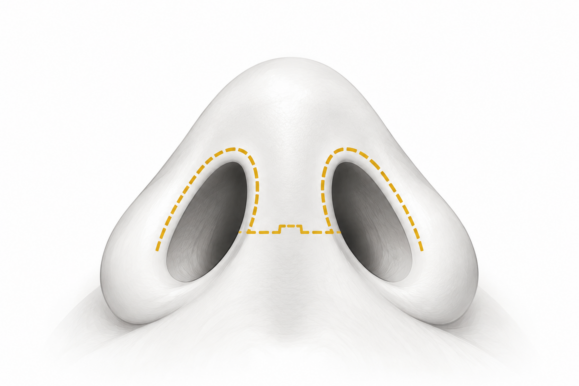
Open Rhinoplasty (External Approach)
Open rhinoplasty is the most versatile and precise surgical approach, particularly for complex reshaping or structural reconstruction.
- Incision Technique: A small, inverted-V incision is made across the columella (the narrow strip of tissue between your nostrils), which connects to hidden internal incisions inside each nostril
- Surgical Access: This allows Dr. Cho to gently lift the nasal skin, providing direct, unobstructed visibility of the underlying cartilage and bone framework
- Best Used For: Significant tip refinement, correcting severe asymmetry, cartilage grafting, complex functional valve repairs, and revision rhinoplasty
- Scar Placement: The tiny columellar scar heals exceptionally well and typically fades into a nearly invisible line hidden beneath the nose
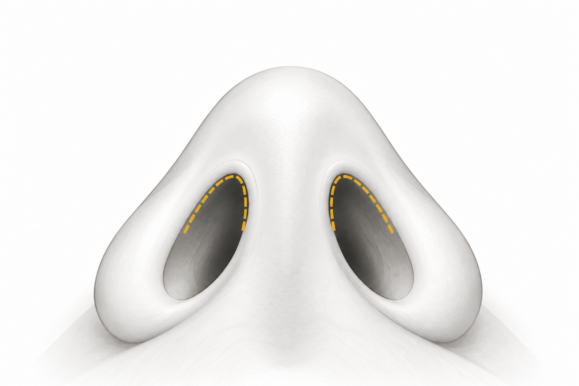
Closed Rhinoplasty (Endonasal Approach)
Closed rhinoplasty is a less invasive technique where all surgical maneuvers are performed internally.
- Incision Technique: All incisions are made entirely within the interior of the nostrils, leaving no external marks or visible scars
- Surgical Access: Surgical adjustments are made through narrow internal openings, working within the existing framework of the nose
- Best Used For: Minor dorsal hump reductions, slight bridge narrowing, or straightforward structural adjustments that do not require extensive tip re-architecting or cartilage grafting
- Scar Placement: Zero external scarring - recovery times and initial tip swelling are often slightly shorter compared to the open technique
Benefits
- Enhanced facial harmony and balance
- Improved airway function
- Correction of traumatic deformities
- Refined tip and profile features
- Long-lasting confidence
- Natural looking results
All surgery involves some level of risk, and rhinoplasty is no exception. During your consultation, Dr. Cho will review potential risks, answer your questions and explain the steps taken to help reduce complications based on your anatomy, health history and surgical plan.
Risks
- Temporary and/or persistent swelling
- Localized bruising around the eyes
- Minor bleeding
- Post-operative discomfort
- Nasal airway changes
- Numbness or sensitivity
- Asymmetry or minor irregularities
Ideal Candidate
- You are unhappy with the size, shape, or profile of your nose and may also have breathing concerns you would like evaluated alongside your cosmetic goals.
- You have completed facial growth (typically ages 15–16 for females and 17–18 for males)
- You are in good overall physical health and maintain a non-smoking lifestyle
- You have realistic expectations regarding surgical capabilities, healing timelines, and structural outcomes
- You desire aesthetic refinements that preserve your natural facial harmony
The Impact of Skin Envelope Thickness
The thickness and quality of your nasal skin play a significant role in how your final surgical results take shape.
- Thick Nasal Skin: Thick skin provides excellent coverage over underlying bone and cartilage, easily camouflaging minor surface irregularities. However, thick skin retains post-operative swelling longer and requires specialized structural techniques (such as robust cartilage framework grafting) to ensure tip definition shows clearly through the skin envelope.
- Thin Nasal Skin: Thin skin allows for precise structural definition and shows subtle tip refinements quickly as swelling subsides. However, because thin skin provides less cushioning, Dr. Cho uses meticulous camouflage techniques (such as soft fascia or diced cartilage grafts) to keep underlying cartilage transitions smooth and natural.
Structural Cartilage Grafting Techniques
Rhinoplasty is not merely about removing bone and cartilage; it is often about rebuilding and reinforcing internal architecture. To prevent long-term collapse, maintain open airways, and sculpt precise tip contours, Dr. Cho utilizes natural cartilage grafts.
- Septal Cartilage Grafts: Cartilage harvested from your own septum during surgery is the primary, gold-standard material used for structural support, spreader grafts (to open airways), and tip refinement
- Ear (Conchal) Cartilage Grafts: If additional soft, contoured cartilage is needed (particularly in revision rhinoplasty), cartilage can be harvested discreetly from the ear with no visible change to ear shape
- Rib (Costal) Cartilage Grafts: For complex revision cases or major structural reconstructions requiring significant support, rib cartilage provides a strong, reliable building block
Rhinoplasty Consultation
- During your rhinoplasty consultation, Dr. Cho will carefully listen to your aesthetic goals
- Dr. Cho will review your complete medical history, past facial traumas, previous surgeries, previous use of non-invasive modalities/injections (eg. Botox, fillers), allergies, sinus issues, and current medications
- Dr. Cho will conduct a thorough examination of your nasal structure, evaluating skin thickness, nasal cartilage strength, facial proportions, and internal airway dynamics (including septum alignment and turbinate size)
- Based on your structural anatomy and desired refinements, Dr. Cho will explain whether an open or closed approach is best suited for your goals and outline any necessary cartilage grafting needs
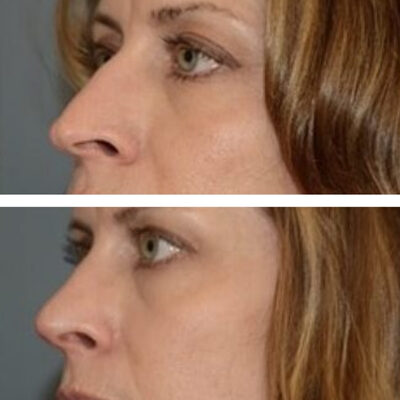
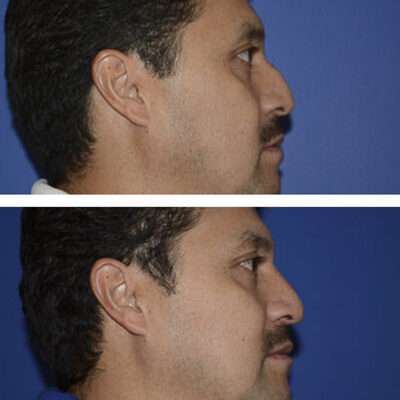
- You will explore real patient results with similar starting anatomies and skin types to help you visualize realistic aesthetic outcomes
- Pictures will be taken at the time of the initial visit to allow for surgical planning
- Discuss likely outcomes of rhinoplasty and any risks or potential complications
- At the conclusion of the visit, if you elect to proceed with surgery you will meet with the patient care coordinator to discuss scheduling surgery as well as payment details
Procedure Preparation
- Do not take any blood thinning medications for 1 week before surgery, including aspirin, NSAIDs, ibuprofen/Motrin, naproxen (also, avoid any herbal supplements or vitamins which can prolong bleeding)
- Do not smoke, vape, or take nicotine-containing products before or after your surgery as they can impair the healing process
What to Expect During Surgery
- Rhinoplasty surgery is performed under general anesthesia and is done in an outpatient setting, meaning you go home the day of surgery
- The procedure itself usually takes about 2-3 hours, but this can change based on the complexity of the case and individual needs of the patient
- Dr. Cho will make a very small incision at the bottom of the nose (that is barely noticeable once healed) - through this incision, she will separate the overlying skin of the nose to expose the underlying cartilage and bones
- The cartilage and bone of the nose will be reshaped to achieve each patient’s individual goals for the appearance of their “new” nose
- You will have packing in the nasal cavity and a splint on the outside of your nose - in most cases the packing is removed either on post-op day 1 or post-op day 2 and the splint remains in place for at least a week
Recovery
- You should expect to have a lot of swelling over the first 5-7 days after surgery, with the greatest amount being on post-op day 2 and 3
- You will likely have a nasal packing in place which will need to be removed within one to two days after surgery
- You will also likely have a nasal splint in place which will not be removed until one week after surgery, sometimes longer depending on the complexity of the case
- You may have some bloody drainage from the nose over the first 2-3 days but this should be only a small amount and resolve prior to the packing being removed
- Keep your head elevated as much as possible for the first few days
- You will need to sponge bath your face while the external splint is in place
- Most people can go back to work after their one-week appointment
- Avoid any major physical activity, such as sports or weightlifting, until Dr. Cho gives you the approval to restart these activities
- Most patients won’t achieve their final result for about 3-6 months after surgery due to residual swelling
Critical Post-Operative Care Rules
To protect your nose while bone and cartilage heal into their permanent positions, strictly adhere to the following guidelines.
- Keep Your Head Elevated: Sleep with your head raised above your heart for at least 2 to 3 weeks to prevent fluid pooling and speed up swelling reduction
- Avoid Blowing Your Nose: Do not blow your nose for at least 2 to 3 weeks following surgery - use prescribed saline nasal sprays and gentle cotton swabs to keep nostrils clean and clear
- Do Not Rest Glasses on the Nose Bridge: Avoid wearing heavy eyeglasses or sunglasses directly on your nasal bridge for at least 6 to 8 weeks after splint removal - use cheek pads or tape glasses to your forehead if eyewear is necessary
- No Strenuous Activity or Heavy Lifting: Avoid vigorous cardio, heavy lifting (over 10 lbs), bending over, or high-impact exercise for 3 to 4 weeks to prevent elevated blood pressure and nasal bleeding
- Protect Your Skin from Sun Exposure: Apply broad-spectrum SPF 30+ sunscreen daily and wear a wide-brimmed hat when outdoors - UV radiation can cause healing incisions to hyperpigment and prolong nasal tissue swelling
FAQs
Yes. Dr. Cho can address breathing concerns alongside cosmetic changes during rhinoplasty when appropriate. Your consultation will determine which corrections fit your anatomy and goals.
Primary rhinoplasty refers to a patient's first nose surgery. Revision rhinoplasty is a secondary procedure performed to correct aesthetic flaws, structural asymmetry, or breathing issues remaining from a previous nose job performed elsewhere. Revision surgery is anatomically more complex due to altered tissue, scar tissue, and depleted cartilage reserves, often requiring specialized cartilage grafting.
A patient must wait until their facial growth and nasal bones are fully developed before undergoing rhinoplasty. This typically occurs around ages 15 to 16 for females and 17 to 18 for males. Additionally, teenage candidates must demonstrate emotional maturity, realistic expectations, and personal motivation for surgery.
Rhinoplasty is generally associated with pressure and congestion rather than sharp pain. Because the procedure is performed under general anesthesia, you will feel no pain during surgery. Post-operatively, most patients experience a sensation similar to a sinus head cold or nasal blockage for the first few days. Dr. Cho prescribes oral medication to manage any discomfort, though many patients transition to over-the-counter pain relievers within 3 to 5 days.
The total cost of the surgery includes the surgeon fee, the facility fee, and the anesthesia fee. For an accurate quote, schedule a consultation with Dr. Cho to discuss your goals.
Cosmetic rhinoplasty is an out-of-pocket procedure and is not covered by insurance. Dr. Cho can address breathing concerns alongside cosmetic rhinoplasty, but she does not offer standalone, purely functional rhinoplasty through insurance.
You will see an immediate difference at your first office visit but final results can take up to one year to achieve.
Most visible facial swelling and bruising resolve within 2 to 3 weeks following surgery, allowing you to comfortably return to work and social activities. However, residual nasal swelling (especially at the nasal tip) takes longer to clear. Approximately 80% of swelling disappears by 6 weeks, while the remaining 15% to 20% gradually subsides over 12 to 18 months as the skin envelope contracts around the underlying cartilage.
In a closed rhinoplasty, all incisions are made entirely inside the nostrils, leaving zero external scars. In an open rhinoplasty, a tiny inverted-V incision is placed across the columella (the skin strip between your nostrils). Because Dr. Cho places this incision along natural anatomical contours and uses microscopic closure techniques, the resulting scar fades into a virtually imperceptible fine line hidden under the nose.
Absolutely. The goal of rhinoplasty should be to make small but impactful changes to your existing nose so that its more refined and in proportion to your face and complements ones ethnic and cultural background.
After your external nasal splint is removed at one week, you must avoid resting eyeglasses or sunglasses directly on the bridge of your nose for 6 to 8 weeks. Pressure from glasses can indent or shift healing nasal bones. If eyewear is necessary, you can use specialized cheek support pads or temporarily tape your frames to your forehead.
Patient Review
Dr. Cho and all of [her] staff are absolutely amazing! I travel all the way from Philly just to see her because no one else compares. She truly listens to what I want, never rushes our appointments, and always makes me feel heard and valued. Her compassionate and professional approach makes all the difference. I wouldn’t trust anyone else—highly recommend! See review
Kiarenly R. / Patient

Surgery is a Big Decision
We are here to answer any questions you have and help you determine the right choice for you. If you are considering surgery, please schedule a consultation with Dr. Cho today. She would be honored to discuss your goals and help you achieve the look you desire.
Financing Available
We believe your aesthetic goals should always be within reach. To make your journey more accessible, we offer payment options through Care Credit and Cherry by Alle, with financing available for same-day treatment. We will be happy to assist you in the application process at the time of your consultation. For more information, contact our office.